No What Ifs


I hear it all the time and I wonder why.  People are constantly asking the same question and I understand it but I don’t know why they are constantly asking the same old question. I mean, why wonder about it? Do something about it. It seems like I hear it even more frequently now too. You meet someone and you get to talking about this or that and then they say it. “What if…?”


‘What if’ is the one question I have spent my life trying to avoid asking. Throughout my life I have had my fill of difficulties and I have gotten to those points in life where I have to choose which path to take. The question I ask myself is what path will lead me to the least what ifs.


When I left the corporate world, more with a shove than a step, I asked myself what is next for me?  If I got another corporate position I would still make a good living but what good is that “living” if I have no life?  Is it good to be able to pay your bills and not do what you love; to be unhappy, probably downright miserable, 8 hours (or more) a day? Would I be asking myself that question, ‘What if?’ The answer was yes I would.

I needed to pursue my dreams, my passions; I needed to do what made me happy, not some executive or manager. So I chose the path that asked the question the least. If I went back into the corporate world I would do well and I would pay the bills and, and, and. In my later years I would ask myself, “What if I had given it all up and started my own photography business? Would I have been successful?”


I don’t want to wonder what life would be like if I made different decisions and I don’t do that when I work for my clients. If you hire me to do a job, whether that is shooting the headshots of all the C level execs or if it is creating images of your latest project, I won’t go in wondering what I am going to do. I will come in with an idea and a plan of action. I know the direction I want to take it. If we have planned it together and we have done the due diligence that we should do, rest assured that the images you need are going to be there and I am going to do my best to exceed your expectations. I am going to try to over deliver and I am going to avoid any problems I can.


My goal in everything I do, especially my work, is to avoid asking that question. Nothing gets to me more than if I were to deliver the high quality images I have created for you and then have you say, “What if you had shot it this way?”


The best way for me to avoid the ‘What If’ is to ask a better question, “If I do it this way, will I have any what ifs?” if the answer is yes, then that is the wrong way. You can’t afford them and I can’t stand them. So let’s do something together that doesn’t ask what if but is your vision.
RFPs – The Incomplete Story

I can honestly say that at least 60% of the RFPs I am asked to respond to are incomplete. This makes it difficult, if not impossible, to even respond to them. How can I honestly and completely respond with an accurate proposal when I don’t know all the information?  Most of the time the requester will include a statement to the effect of, “If you have any questions please don’t hesitate to ask.” Which is fine if they respond to those requests for information; which they often do not.


For photography RFPs I need to know certain information. Things like the number of attendees and the length of the event are always included, but details are often left out. In order to capture an event and get the results the client (you) wants, I have to know what it is you want!

  • Do you want a feeling of the event as a whole?
  • Would you like the event to be capture in a journalistic fashion or do you want more of a celebratory tone?
  • Will you need to capture the speakers/presenters as they are presenting?
  • If so, what is the intended schedule? Will any of them be speaking at the same time in separate rooms?
  • What is the venue like? Do I need to access it prior to the event to set up lighting?
  • If this is a large (especially a multi-day) event, what is the overall scope so I know if I need to bring in a second photographer?
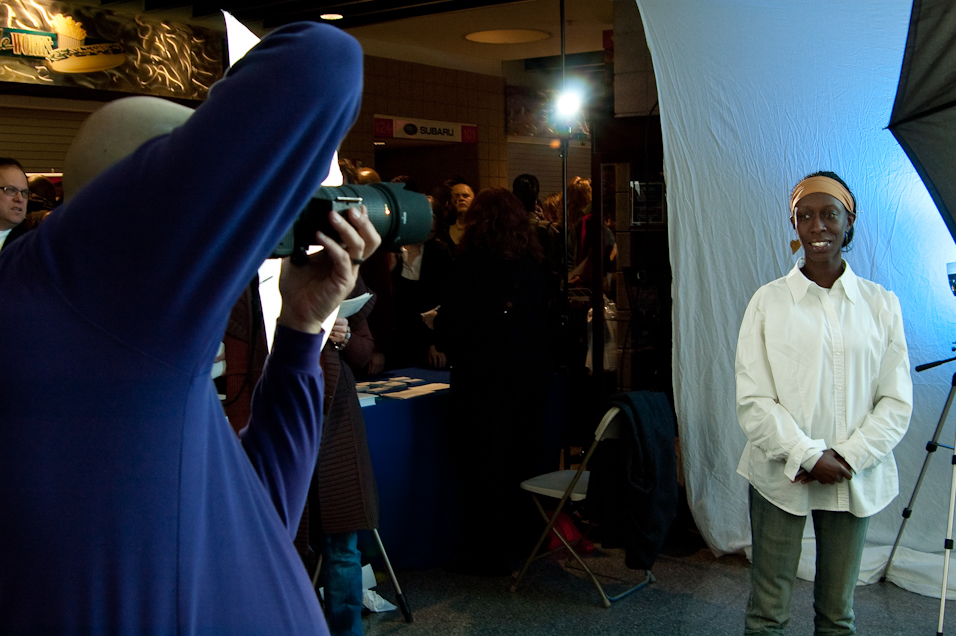
  • Is there going to be a portrait session for the presenters or the guests?
  • If so will there be a logo or banner that needs to be included in each portrait or am I to provide a backdrop for that?
  • Will I be assigned a space to do these portraits or am I doing them “on the fly”?


This is just a very short list of details that I need to know to be accurate in my proposal. If an event is in the planning process I totally understand that you may not have many of these details as of yet. That’s fine, but remember that one photographer providing a response may include all of these options with costs included while another may include none of them and provide a lower bid.


The better RFP will include something of these details but include a statement to the effect of “details of the event are subject to change. We would like to work with the service provider to plan for these contingencies and we will adjust the RFP and proposal accordingly.”


To have a provider bid on certain guidelines and then during the event ask them to add services (such as portraits for example) requires a compromise on both sides. The reason for this is that if I plan on being as efficient as possible then I will have to sacrifice some duty in order to fill this on site request. It is my job as a professional to respond to your request and to tell you the consequences as to what it will effect, whether that is services planned, cost or whatever. Some requests will have minimal impact, some major, but it is my job to tell you what they will be.


At the same time I have to ask that my clients be prepared for changes when they make such requests. However if we sit down and plan the services to be delivered in advance we can minimize those changes. The issue is that if I respond to a bid that doesn’t include XYZ, when XYZ is proposed I am going to have to change the cost of the bid.


This is where problems usually arise. Clients say things like, “well you said it would cost this!” Yes but that did not include XYZ.


I know that some photographers can be a bit dramatic and get huffy. To them I say get over it. Scopes change and they need to learn to expect that in the career they have chosen. You as the client have the power to dictate the services that I will provide. However, please be aware that in order for me to quote you properly on those services I have to know what they are. If something new arises, I will have to charge for additional services.

Hiring An Event Photographer

Recently on one of the lists I belong to there were some questions on hiring an Event Photographer. I offered some suggestions that I thought would be appropriate for a more permanent home here on my blog.  Take a moment to read my response and let me know your thoughts or questions.


Dear S,


I am a professional photographer and have been shooting events professionally for over 8 years. I wanted to take a moment to address your questions about finding an event photographer.


I read one reply that someone said they paid $1500 for a 3 day event. I can tell you right away that although she got a heck of a deal, she was not dealing with an experienced professional. At that price the photographer in question is going to have problems replacing their equipment when the time comes and that doesn’t take into consideration their operating expenses.
Event photography is very similar to wedding photography with a little less pressure on the photographer. The reduction of pressure comes from not having to capture shots of Aunt Sally and Uncle Bill, who haven’t spoken for 30 years, actually dancing together. At the same time there is a pressure to get all the shots that will represent the event correctly and positively. The day to day shooting though is similar in the number of shots taken and processed each day. This can total literally thousands of shots over a 2.5 day event. Each shot has to be color corrected and then determined if it is worth final editing and presentation to you, the client. This can take longer than the actual event – sometimes as much as 3 times longer. So for your 2.5 day event, a good professional photographer can spend over a week prepping the images for delivery.


It is true that you can hire a photographer who is not a full time shooter or one who is new to the business that will cost you less, however at the same time that person may cost you more money in the long run if they don’t have the experience to capture the event correctly. If they are of the artistic mindset it is not unusual for them to capture the event in such a way that none of the images are useful to you at all. So if this person only charges you $1500 but few if any of the images are useful what is the true cost? If you are planning to use the images for marketing the cost can be astronomical.


My suggestion is to look at the responses from your RFP and look into the portfolio of each photographer. This can be done very quickly and it will save you huge headaches in the long run. Things you should look for are varied but below is a short list that applies across the board.


•             Make sure that any online presence is hosted by the photographer. Sites host by Flickr, SmugMug, Zenfolio, or any other third party will show either a lack of commitment and/or experience. Eliminate these bidders first.

•             Look at the style of work and that you like that style!

•             Make sure that they have events on their website. If they don’t but they have an overall style you like ask for a sample of event work. Some photogs shoot events but don’t specialize in events. My site for example shows the work I specialize in, architectural and portrait. I do shoot events and I have thousands of images to show my abilities but I don’t advertise them on my site because that is not the main focus of my business.

•             Ask for references. Testimonials will be a good quick view but remember: if there is a testimonial on a photogs site they are showing the best of the best. References will be more honest when you contact them directly.

•             Ask for an insurance rider. Professionals will already have liability for at least $1million and getting a rider in your name should be an easy task for them. If they don’t have insurance don’t walk, but run away.

•             Spend 5-10 minutes on the phone with them (more if you have time) and make sure that they ask the right questions and more importantly that you like them! My father said when I was young that “you don’t go fishing with a captain that you don’t like because you won’t catch any fish.” The same is true for your service providers.  If you don’t get along the chances are reduced that they will work with and for you to get you the results you need.


Now you may be asking: why is this guy from Philadelphia writing and telling me all of this? There is no way you are going to hire him. He is just too far away if nothing else. There are many reasons but the main reason is that clients like you are being taken advantage of by inexperienced ‘wannabees’. These inexperienced shooters are trashing the reputation of my industry and I feel it is my job to assist anyone who has questions about hiring a professional photographer.

Always feel free to call me with any questions you may have.

A Different Level

I have asked this before and I will ask it again: “Where does networking end? “


I am a member of a group called PRE (Professional Referral Exchange) that meets every Thursday for lunch and networking. PRE has a unique view on networking because at PRE networking never ends. In fact the premise is that we work as each other’s sales force; always trying to promote not just ourselves but others in the group as well.


Our PRE group is original in a number of ways, and not just because we are a group of professionals that want to help each other in any way we can. A PRE group enlists as many professionals as it can but only one representative of each business category; for example I am the only photographer in the group, Walter is the Personal Financial Manager, Dana the one Business Banker, Bob the only website designer, and so on.
As I mentioned before we are each other’s sales force. Of course I have made referrals and introductions to bring two businesses together, but it goes beyond that. We truly do work for each other. Just yesterday I was at the local Home Depot picking up a few things and one of them being fuses, a woman and I started talking about the cost of electricity and how expensive power is getting. Well in our PRE group we have a gentleman who is in the power supply business. This gentleman also happens to be a pastor and his name is Paster, so we call him Pastor Paster.


I took the time to speak to the woman I met in line at Home Depot and told her that Pastor Paster could possibly help her with her energy bills and that he is not the type person that just goes knocking on doors, he will only speak about his power business when asked. I gave her my card and Pastor Paster’s card and we parted ways.


That is what is different about PRE, not only do we make recommendations and introductions but we are willing to tell people about our colleagues’ businesses. By spending one lunch a week together we learn about each other and our businesses on a whole different level. This gives us a unique ability to be advocates for each other.  It feels good to know that there is someone other than myself out there driving my business forward, but it is an even better feeling helping others drive their businesses.


‘Da-Ra’ and friend

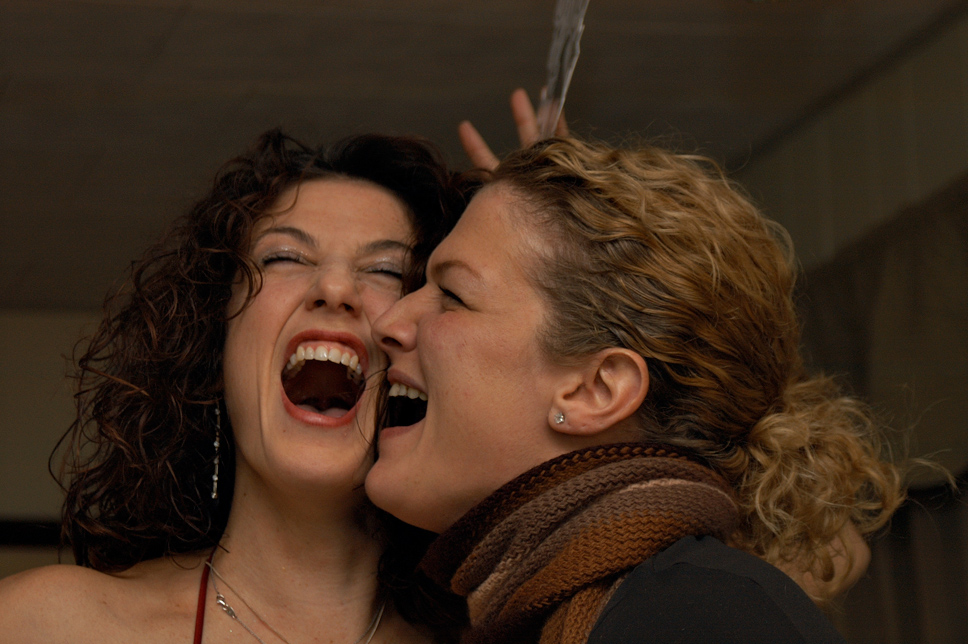
Our group is a bit different than other PRE groups too; we tend to be a bit goofy at times but that makes it fun and makes it more personal too. Our president Eleanor had a brief speech impediment one week and had problems introducing our new Real Estate Agent, Damon as “Raymond… Damon, Da-Ra!” and this shall now be his name forever; well at least on Thursday’s at lunchtime.


We have a heckler lawyer, a twisting (as in the dance) large format print man, a guitar playing and singing fulfillment coach, a salsa dancing personal beauty consultant, a former football star now travel consultant, a motorcycle riding small business legal consultant, a highly fashionable Internet Cash Flow Consultant, and a slightly psychotic photographer-wait, that would be me!


My point is that we not only do business with each other, we do business for each other.


My name is Michael Albany, photographer; who can I introduce you to today?

Rewards


Every day each of us looks for rewards. We hope to get rewarded for a job well done, a big sale, a hug from a spouse or child, but we often feel that we don’t get the rewards we think we deserve. Our paychecks seem to get smaller while our children get bigger; we need our paychecks more and our children need us less.


Rewards are difficult to quantify and often what we do today may not pay off until next week, next month or next year; or it may not pay off at all. How do we even measure it? Is it the money we are paid, the love we receive, the car we drive or the house or neighborhood we live in?


I have always known that the more I look for them the less I receive. If I am working towards getting some type of recognition or ‘fame’ what I get is disappointment and failure. It’s like praying for patience; your higher power is likely to give you something to be patient about!


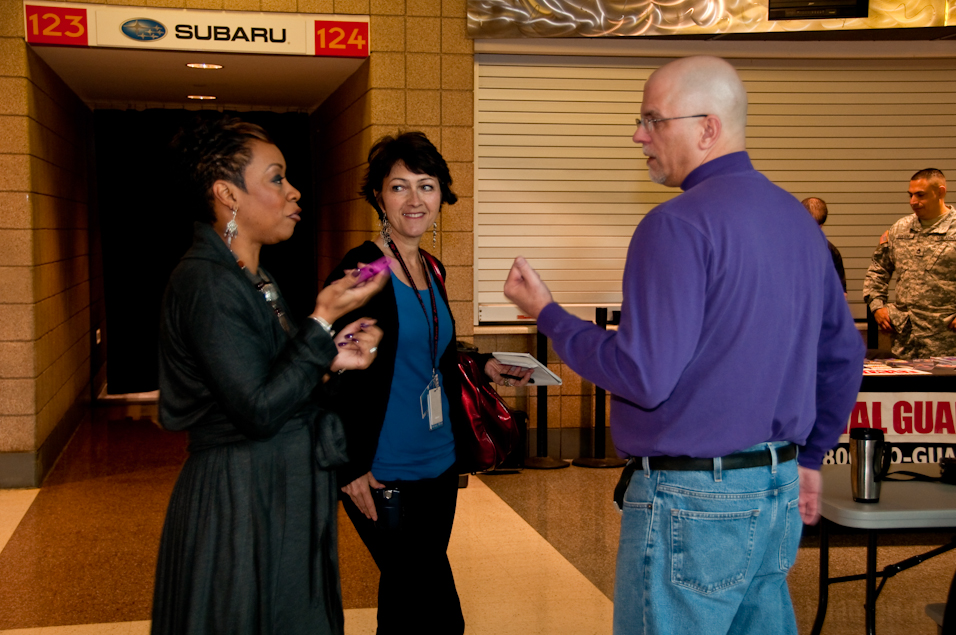
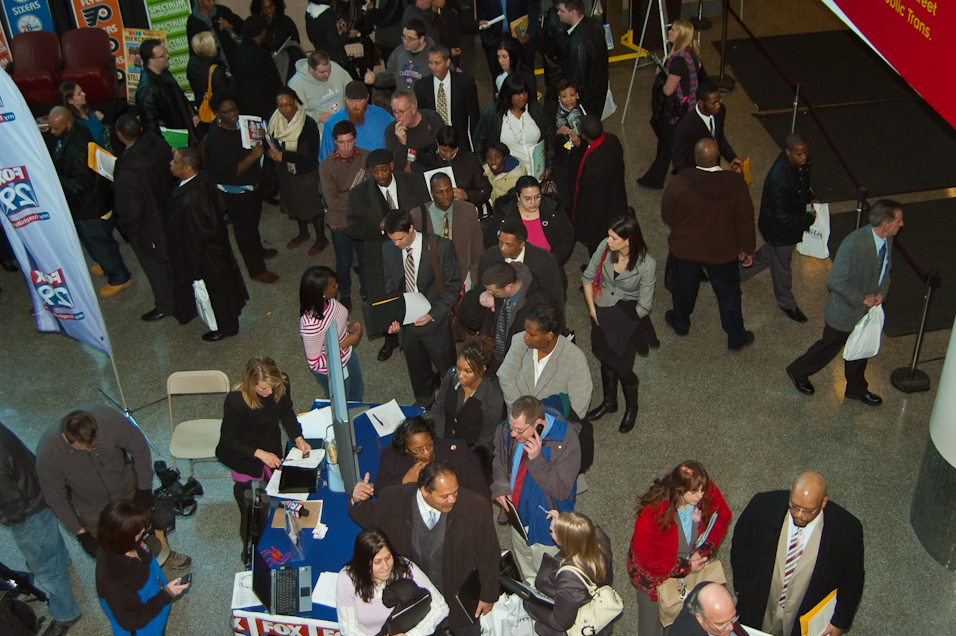
When I let go and I let life happen, it does. When I did the Free Business Portraits for the Unemployed I expected nothing in return. I wanted to give back to those less fortunate than I am and I know how it feels to be suddenly out of a job, the emotional toll it takes. I felt that if I could do something nice and help people smile when life was difficult then I would feel good about what I was doing and I did.  Even the local media got involved and my name was all over the world for a lot longer than just 15 minutes.


So many people told me that this was the best thing I could do for publicity for my business. You know how much work I got as a result of that? Zip, zero, nada. But that was OK because that isn’t why I was doing it. When I looked for a reward I got none, when I was doing it just to help I got famous.


Many times we don’t know what we get when we put out the positives and good efforts. Sure we might get a raise next year and sure our children may care for us when we get old, but do we know that is going to happen? Sometimes we don’t even know we are doing the next right thing.


I think it was 10 or 11 years ago and I was still in the corporate world; I was working for a software firm in Philadelphia and I was in charge of the support department. I forget why but I needed another tech and in those days techs weren’t as easy to find as they are today (amazing what changes in just 10 years), especially ones that understood large format image printing.


I noticed this one man working in our shipping department and while I was helping pack up a large shipment I asked him some basic questions about computers. He had no formal computer training and had never held a support position before but he knew instinctively how to logically troubleshoot and come to a solution.  A true “diamond in the rough”; but there was a problem.


This young man had a run in with the law. He had been arrested and was awaiting trial and he was pleading guilty. He would most likely get probation but that conviction would make him ineligible  for the position per company policy. Something told me that his past didn’t matter. What had gotten him to this point in his life was just a path and it was what made him the man he was, but it didn’t define the type of man I was looking at. I took a risk and I fought to get him on my team and I won. I won with conditions of course; if he failed, I was out of a job too.

I took a risk and it paid off in a great way. He eventually became the supervisor of that support team and he made IT his career. He was a true success story and I was glad to know him. I never thought anything of it really though, I knew he was going to do well and I knew he had the knack to be good at it. When he was successful I felt it was as it was supposed to be, that was all there was to it.


This past weekend I found out there was more to the story. You see that man invited me to his wedding and again, we have stayed in touch over the years so no big deal. I hadn’t met his wife to be yet but I had heard a lot about her. At the reception he introduced me to her and what he said floored me. He said, “This is the man that believed in me and put me on the right path.” His new wife knew immediately who I was. I was blown away.


I didn’t expect that. I wasn’t prepared in any way to be a part of the turning point for him, I was just doing what I always try to do: the next right thing. He made something of the opportunity; he did what he needed to do and he made the life for himself that he has today. I am humbled by the words he used to introduce me to the love of his life.


I didn’t do anything, he did it all. Then he gave me the rewards.

To My Client: No Surprises

I recently received an RFP (Request for Proposal) from a potential client and the client included a criteria of “Complete listing of expenses (no surprise costs)!” I fully understand their need to include this statement. Some of the surprises aren’t completely the fault of the vendor.


First let me look at the client’s view. Very often, too often, when they send out an RFP to any vendor they get an estimate back that A) doesn’t include all of the information that is needed for them to make an informed decision. What they receive is a quote for the cost of the entire estimated job but no details on the breakdown of costs. For most large clients these details are needed for reporting as well as their ability to budget correctly. B) doesn’t include a capability statement that explains why a particular vendor is able to even complete the work.  How would the client know that Company X has knowledge of the job being bid? How do they know that the vendor has the resources to even deal with the scope of work? These details are crucial to their ability to do business and as a possible vendor it is my responsibility to provide them with as many details as possible so that if I do win the bid, that there is little or no stress about my ability to complete the requested work.

I don’t hold all the responsibility though. Many RFPs are vague and incomplete. Often the reason for that is the fact that the client wants to see my knowledge of the work proposed. That is understandable and acceptable. At the same time certain details are needed for me to understand the work required. A full scope of work as the client understands it, and/or a detailed explanation of the use of the product or services at the end of the project is huge help. With that detail I can chart the path from beginning to end and that should show the details the client needs to decide on a vendor.


Knowing where you want to be at the end of a project is crucial for both client and vendor. Knowing the need, use and benefit of any product or service helps the client get all that they need out of any vendor they choose to work with. Without it, it is like packing a bag and getting in your car knowing you want to go on vacation but not knowing where you are going.


Using a similar metaphor, if the client knows they want to go to Vermont to go skiing for vacation, as a vendor it is my responsibility to pack their skis. At the same time my client will get nowhere if I don’t put gas in the car too. It is my responsibility to know, plan for, and handle the details. By relating those details my client is able to see on paper that their vacation is exactly what they want planned, and they know that by including the details I am going to ensure they get to where they want to be.


So what if the client doesn’t include the needed information so that I can provide a complete and details response? Again that is where the responsibility is mine. It is my job as a professional to ask the right questions, to ask detailed questions and get the information I need to answer their questions. When I do that, my clients get the results they want and there are no surprises.


Send me an RFP for photography services and let me show you what I mean.

Responsibility


For god’s sake buck up!  Take responsibility for all that you do. Everything!  You may think that this is going to be a rant post; maybe a little, but not too much. Read on good reader.


In my rather vast experience in business, I have seen many times individuals who do not take responsibility for what they do. Sometimes this is because they are afraid that they will get in trouble, maybe even lose their job. In most cases no one is in jeopardy of losing anything except some humility perhaps.


Successful people take responsibility for all that they do, good and bad. Entrepreneurs not only take responsibility, they take credit. Yes, taking credit is a part of responsibility. I admit that all the images I capture are mine. I don’t steal them from anywhere, I don’t copy other photographers, I may however be influenced by some. I also take credit for my faults and mistakes.


One of the reasons I left the corporate world to take up photography full time was a matter of taking responsibility. It is a long (and very boring) story but suffice it to say I took responsibility for interpreted actions and by doing the right thing I was able to walk away from the corporate world.


I am not saying that I did the right thing every time. I have made my fair share of mistakes in my career. I have made mistakes that have cost me money and I have made decisions that have made the company and me a lot of money too.  The fact is, though, that I take responsibility for all the decisions I make good or bad. I also make sure that I do everything I say I will do and I work the way I agree to work.


My clients quite often say that they need X amount of images. If that’s 15 images I always deliver at least 20, sometimes twice that. I try to over-deliver whenever possible. My goal is to give my clients more; more of what they want. I am not perfect.  Sometimes I miss the target and I admit my failure. In photography that means I have to reshoot and at no cost to my client. I can honestly say though that whenever I have taken on a project I have always succeeded in delivering in the long run.


My overall point is that no matter what goals you set for yourself:  own them.  Drive yourself toward them and make sure you do your best to reach the goal. When you do something with all you are, when you give everything you have, at the end you are guaranteed a reward. That reward is pride.


Taking responsibility for all that you do is where to start and where to finish. After that success or failure are the same. We learn from either, and from both, but if we don’t take responsibility we fail to learn.

The Photography Business, It’s Not about Photography

Why do I have to keep telling people that the photography business is not about photography, it is about business. Photography is just the product that the business is built around.


I am tired, very tired, of new “professional” photographers that can’t understand the idea that photography is a business. At least, it is as soon as you say you are a professional. I constantly hear from these people: “I can’t charge the same rates as my competition. I’m new and I just don’t feel right doing that.” or “I’m not good enough to charge the full rate for this job. I don’t have the experience.” The hell you aren’t!


If a new McDonald’s opens across town do they charge any less than the first McDonald’s in town? It’s a new franchise owner and they have never owned a restaurant before so I guess we should go to the new one because they will be cheaper. No they won’t!  They charge the same price as the other one for the same service and the same food. So if you are the new photographer in town and you have the skills and the talent to do the job, why are you afraid to charge for the same service?!


I understand that new photographers may not have the experience that some clients want, and that is fine. However if they have the talent to get the shot, they have the ability to do it in a professional manner and they deliver the results the client wants why are they charging less than they are worth?

Sure there is a variable in rates from the inexperienced to the seasoned pro to a reasonable extent. The new photog in town is not going to command the rate that a Joe McNally, a David Hobby or a Helmut Newton (if he were still alive)would but that doesn’t mean they aren’t worth the same amount that the other photogs in town are worth. If the end result is the same and the service provided is the same (excluding individual artistic style), why not get the same fee?


Then there is the client that loves to exploit that. That client is always going to go for the cheapest rate he can find because his images only have to be good enough to get by. Guess what? There are always going to be the bottom dwellers that can feed here, but when I see a talented photographer damn near giving their services away it gets me angry.


I have been shooting professionally for years and I have raised my rates over time but they have always been near what my competition is charging too. This does a number of things for me and for the business itself. For one it keeps all of the pro shooters in check. Our clients know that when they come to us they are going to get XYZ service for ABC cost. They also know that the quality is going to be of a certain professional level. This means that if Joe Blow over on the other side of town is charging twice what I charge, he better have an added value of some kind that I can’t provide. If he doesn’t then the client will go to someone else in town.


Another thing consistent rates do is show a commitment to servicing our clients. We can’t survive in the business world without being our clients’ advocate, at least to some extent. To do that is to provide that added value.


When these new photographers come along they often haven’t been taught much about business. This means they may not be aware of the cost of doing business. Do they understand that there is a cost every time you press the shutter?  “But it’s digital so it’s free!” No it isn’t!  There are only so many times that shutter can be pressed before that camera has to be replaced or repaired. Then there is the cost of the computer they will upload the images to, the time processing them in the expensive software they purchased and the desk all that stuff sits on. Plus there is the cost of insurances that protects us and our clients.


I can go on and on and on but I think you get my point. If you are a pro, act like one. If you need to hire a pro, hire one, and pay them a fair rate. After all the old saying is true; if it seems too good to be true…

Everyday Heroes


When I was a kid I was a big fan of Batman and Spiderman, they were my heroes of the day. They fought colorful characters and they always won. As I got older my heroes changed to characters that were closer to reality like James Bond and James Tiberius Kirk, Mr. Spock and Luke Skywalker, idols that were based more on real people, even if they are future based.


As my interest in photography grew my heroes became photographers and imaging pioneers like Alfred Stieglitz, and more modern photographers such as Helmut Newton and Robert Mapplethorpe. So who are my heroes of today?


Today the names are less known yet the work they do is, in my mind, no less pioneering. Photographers like Joey L., Michael Grecco, David Hobby or Joe McNally all have done something in photography that has at the very least raised the bar and made me personally try harder and learn more about my craft. I had the chance to learn from two of these guys today in Philadelphia.


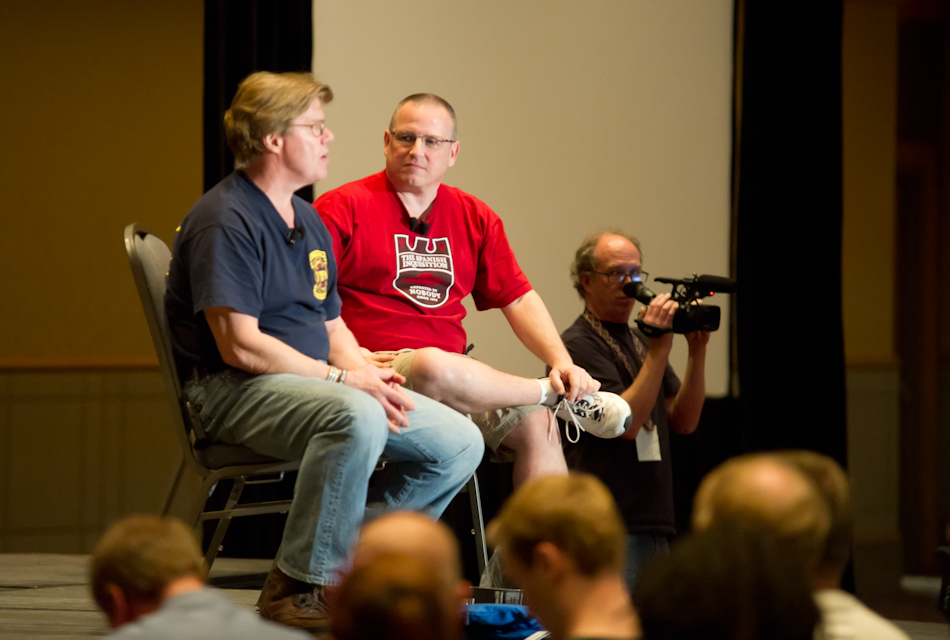
The Flash Bus tour came to Philly today and in a room full of 400-500 photographers I took a day to learn more about lighting and how to achieve better results with my work. The Flash Bus tour is a 42 day trip for David Hobby (Strobist.com) and Joe McNally (joemcnally.com) and a whirlwind of information and technique for photographers like myself. These guys not only are masters at what they do but they do it on the fly, under tremendous stress and restrictions and do it flawlessly. But the most important thing they do is they pass on the knowledge they have and they give back to both their communities and their colleagues. I have learned a lot from these two by reading their books, watching their videos and attending their seminars.


Read more

Gratitude


It’s not always easy writing a blog. In fact this week was one of those weeks that I was desperately trying to think of a topic that is consistent with the messages I try to convey on these pages.  Out of frustration I decided to just get out of the office and away from the computer. I emailed my wife and told her to meet me at pub across the street from her office.


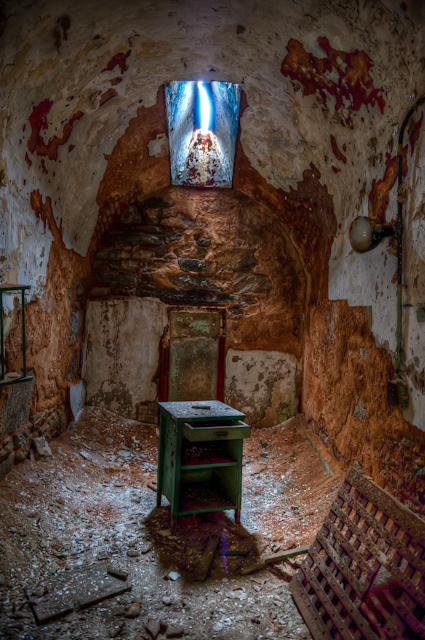
After a wonderful lunch I was still short a topic. As I was driving back to my office I drove past Eastern State Penitentiary and right in front there was a parking space. I thought why not, I have my camera with me (no surprise there) and I have always wanted to tour the place during the day (previously I had only been there for Terror Behind The Walls, near Halloween). For $12 I could go in and forget my deadline and ignore that “whoosh” noise it makes as it goes by.


This place is a one of the cheapest tourist traps in all of Philadelphia and probably one of the best too. No one tries to sell you anything and all the guides are friendly and helpful (they must be from out of town). On top of that it’s really cool!  Of course Al Capone’s cell is the most restored, but most of the place is falling down around you: debris, broken windows and concrete are everywhere.

It happened to be my lucky day too!  Not only did I get a great parking spot, they were giving tours of some of the places not usually open to the public. I was able to see the chaplain’s office and the special murals on the walls, and also “The Hole” where prisoners were put for solitary confinement.  I stand a hair under 6 feet tall (probably because I have no hair) and when I was standing in the ‘hallway’ in front of the solitary cells my head just touched the ceiling. Not a place I want to spend any time.


As I toured the rest of the prison I noticed all the cells, the conditions and how horrible it must have been in those days to have been stuck there for years. The idea that the only natural light many of the prisoners ever felt came from a tiny slit in the ceiling. The only other light came through the skylights but they were over the hallways and you would not feel the sun on your skin but you could see it just a few feet away outside your cell.


As I started to leave I began to feel a sense of gratitude wash over me; I was able to walk out when I wanted to. This got me to thinking (dangerous, I know) about how lucky I am.


When I was younger I was a borderline kid. I didn’t believe in school, authority, or anything most ‘good kids’ believe in. I had the choice to go down the wrong path and it would have been very easy for me to do. However for some reason I did the next right thing over and over until I got to where I am today, a man who owns his own business and has the chance to take a random Wednesday afternoon off to tour a decrepit old prison.


I am a lucky guy, I have freedom today and that is something that I often forget about. I think about bills, mortgages, payments and where the next job is coming from. Today I was able to take a few moments and understand what gratitude really is; I have to say that it is one of the best things I have in my life. Today I am free to worry about bills, mortgages, payments and where my next job is coming from.


All this gave me something to write about too. It gave me an Attitude of Gratitude.